


BTN News: In today’s hyper-connected world, the relentless advance of technology brings immense convenience but also growing dangers. Cybercriminals, ever adapting and evolving, have mastered new ways to exploit digital tools, creating serious threats for everyday internet users. One of the most insidious of these dangers is malvertising, a sophisticated cyber-attack method that capitalizes on the trust users place in legitimate websites. This article explores the rise of malvertising and how social engineering techniques prey on human psychology, offering key strategies to stay protected from these online threats in 2024.
What Is Malvertising? How Ads Are Weaponized
Malvertising—a term that merges “malware” and “advertising”—is a stealthy cyberattack where criminals use seemingly legitimate online ads to spread malicious code. Even on well-trusted websites, these fraudulent ads can appear, tricking users into clicking them and unknowingly infecting their devices with malware. Unlike more traditional hacks, this approach doesn’t target the website itself but takes advantage of ad networks that display ads across multiple platforms.
In 2024, malvertising is especially dangerous because it requires no interaction from the victim beyond viewing or clicking an ad. Once the ad is loaded, users may unknowingly download malware capable of stealing personal information, compromising bank details, or even granting hackers control over their devices.
How Cybercriminals Exploit Human Psychology: The Power of Social Engineering
While malvertising spreads through deceptive online ads, social engineering exploits a much more fundamental vulnerability—the human mind. Hackers employ psychological manipulation techniques to trick individuals into divulging sensitive information or performing actions that compromise their security. Social engineering is successful because it doesn’t rely on technical weaknesses but instead taps into human emotions like trust, fear, or urgency.
Kaspersky, a global leader in cybersecurity, explains, “These attacks exploit how people think and behave. By understanding what motivates a person’s actions, cybercriminals can effectively manipulate them.” This human-centered approach is the root of many common online scams, including phishing, baiting, and pretexting.
Common Social Engineering Scams to Watch Out For
- Phishing: Fake emails or messages that appear to be from trusted sources, such as your bank or social media platform, prompting you to share sensitive information like passwords or credit card numbers.
- Baiting: Enticing offers or promises that lure victims into downloading malicious software or visiting infected sites.
- Pretexting: Scammers create a false narrative or situation, like pretending to be IT support, to convince you to reveal confidential details.
The Alarming Rise of Phishing in 2024: What You Need to Know
Phishing remains one of the most prevalent and dangerous forms of social engineering. Cybercriminals craft highly convincing emails or messages, often mimicking trusted organizations, to deceive users into clicking malicious links or sharing sensitive information. These phishing campaigns have become more sophisticated, employing spoofed emails and fake login pages that can be nearly indistinguishable from the real thing.
In 2024, phishing attacks are increasingly targeting professionals via business email compromise (BEC) scams, where attackers impersonate senior executives or vendors to trick employees into transferring funds or sharing corporate data.
Key Strategies to Stay Safe from Malvertising and Social Engineering
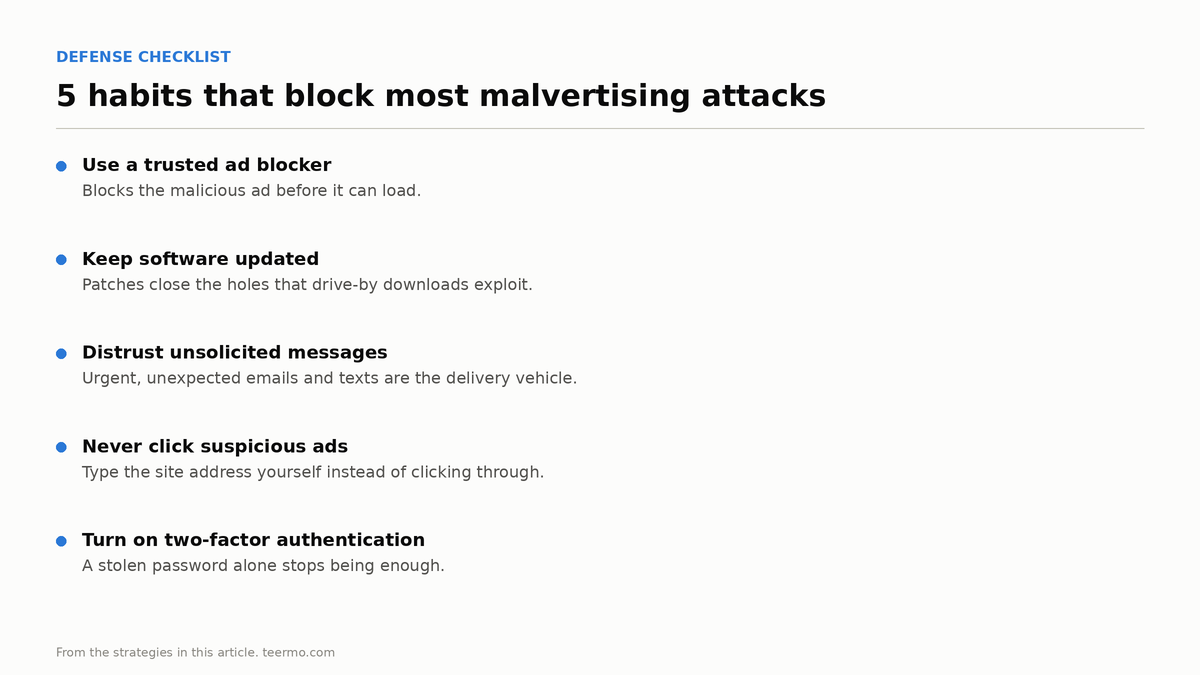
With cyber threats like malvertising and social engineering becoming more widespread, it’s crucial to be proactive about protecting yourself. Here are practical steps you can take to safeguard your information:
1. Use a Trusted Ad Blocker
Installing a reliable ad blocker is one of the simplest ways to protect yourself from malvertising. These tools prevent malicious ads from loading, reducing the risk of unknowingly interacting with harmful content. Ad blockers also improve page load times and remove intrusive ads for a better browsing experience.
2. Keep Software and Systems Updated
Cybercriminals frequently exploit outdated software vulnerabilities. Ensure that your operating system, web browser, and any security software are up-to-date. Many updates contain essential security patches that protect your devices from the latest malware threats.
3. Be Wary of Unsolicited Emails and Messages
Always exercise caution when receiving unexpected emails, texts, or direct messages—especially those requesting personal information. Phishing emails often appear urgent or alarming, designed to push you into making hasty decisions. Verify the sender’s authenticity by contacting them directly through official channels.
4. Avoid Clicking on Suspicious Ads
Even on trusted websites, be cautious when interacting with online advertisements. Avoid clicking on ads that seem out of place or too good to be true. If you’re unsure about an ad’s legitimacy, it’s better to avoid engaging with it altogether.
5. Enable Two-Factor Authentication (2FA)
Adding two-factor authentication (2FA) to your accounts creates an additional layer of security. With 2FA enabled, even if hackers obtain your password, they’ll be unable to access your account without a second form of verification—often a code sent to your phone or email.
Why You Should Care: Protecting Your Data Is Everyone’s Responsibility
The sophistication of modern cyberattacks, especially malvertising and social engineering, highlights the need for vigilance in our online interactions. No longer are hackers simply targeting big corporations; individuals are just as vulnerable. Cybersecurity is no longer just about having a strong password—it’s about understanding the tactics cybercriminals use and taking action to minimize your risk.
By staying informed and following these simple but effective steps, you can protect your personal data, financial information, and online accounts from the most common attacks of 2024.
Final Thoughts
The threat landscape in 2024 shows that malvertising and social engineering remain two of the most dangerous tools in a cybercriminal’s arsenal. As these attacks continue to evolve, the best defense is awareness. By understanding how these scams work and implementing basic cybersecurity practices, you can significantly reduce your chances of falling victim to them. Always be cautious, stay updated, and prioritize your online security—because your data is worth protecting.
