You spot a barely-used bookshelf sitting beside a store dumpster. It’s free, it’s perfect, and it’s about to be crushed in a garbage truck. So you grab it — and a second later you’re wondering if a cop could actually fine you for that.
Here’s the part that surprises most people: dumpster diving is legal in all 50 states. But the dumpster diving rules that decide whether you walk away with treasure or a ticket have almost nothing to do with the diving itself.
With more people chasing frugal living and waste reduction in 2026, this question is getting Googled more than ever. The fear is real — nobody wants a trespassing charge over a discarded lamp.
So let’s clear it up. By the end of this guide, you’ll know exactly where the line is, which dumpster diving rules actually matter, and how to dive without ever looking over your shoulder.


Is Dumpster Diving Legal? The One Federal Rule That Started It All
Let’s start with the good news, because it’s better than most people expect.
There is no federal law against dumpster diving anywhere in the United States. The reason traces back to a single Supreme Court case from 1988: California v. Greenwood.
In that ruling, the Court decided that once you place trash out for collection, you give up any reasonable expectation of privacy over it. In plain English, your garbage becomes public domain the moment it hits the curb.
The justices even noted that bags left on a public street are openly accessible to animals, kids, scavengers, and pretty much anyone walking by. That logic is the legal backbone supporting dumpster diving today. You can read the full decision through Justia’s case archive if you want the original language.
So if the trash is abandoned and the Fourth Amendment no longer protects it, why do people still get tickets? Because Greenwood only settled the privacy question. It never gave anyone the right to walk onto private property to reach that trash.
That gap — between “the item is fair game” and “how you got to it” — is where every real legal risk lives. And it’s the heart of the dumpster diving rules that follow.

The 7 Dumpster Diving Rules That Actually Keep You Legal
The act of taking discarded stuff is legal. How you reach it is what gets people in trouble. These are the dumpster diving rules that matter most in practice.
Rule 1 — Trespassing is the real crime, not diving. If a dumpster sits behind a fence, a locked gate, or a posted “No Trespassing” sign, stepping past that line is a criminal offense in every single state. The dumpster being unlocked doesn’t matter — the boundary does.
Rule 2 — Private property changes everything. A retail parking lot or the lot behind a strip mall is private property even with no sign posted. A store can ask you to leave, and refusing turns a freebie into a trespassing charge.
Rule 3 — Respect every sign and barrier. A chain, a lock, or a single “Keep Out” notice converts a minor ordinance slip into criminal trespass. When in doubt, treat any barrier as a hard no.
Rule 4 — Check your city, not just your state. No state bans dumpster diving outright, but dozens of cities have anti-scavenging ordinances. This is the rule beginners forget most.
Rule 5 — Leave recyclables alone in certain cities. Pulling items from blue recycling bins can trigger separate fines in places like Los Angeles, where the city claims ownership of that material.
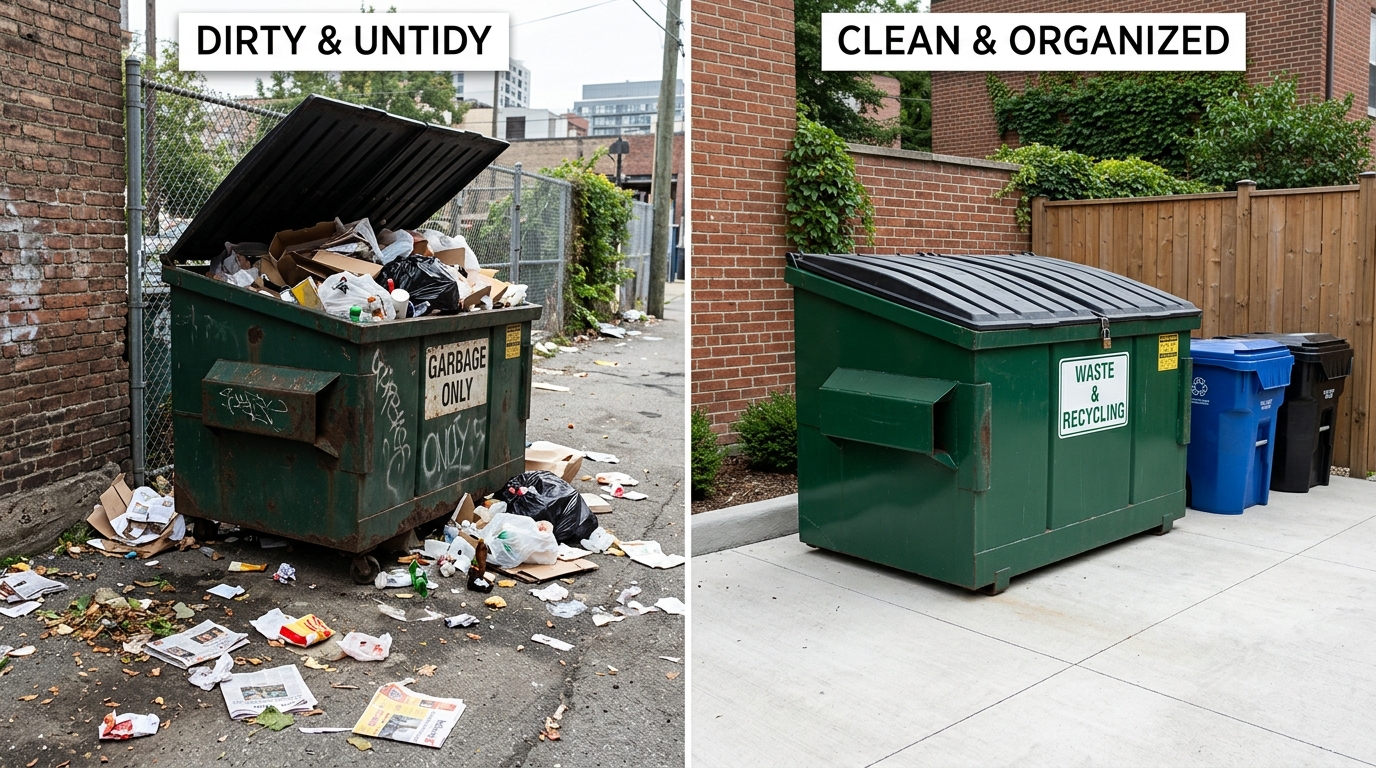
Rule 6 — Don’t make a mess. Scattering trash around a dumpster is its own ordinance violation, and it’s the fastest way to get diving banned in your area.
Rule 7 — Leave the moment you’re asked. If security or an owner tells you to stop, go. Arguing is how a warning becomes a citation.
Related: 11 Real Frugal Living Tips That Don’t Feel Like Sacrifice in 2026
Dumpster Diving Laws by State: A 2026 Breakdown
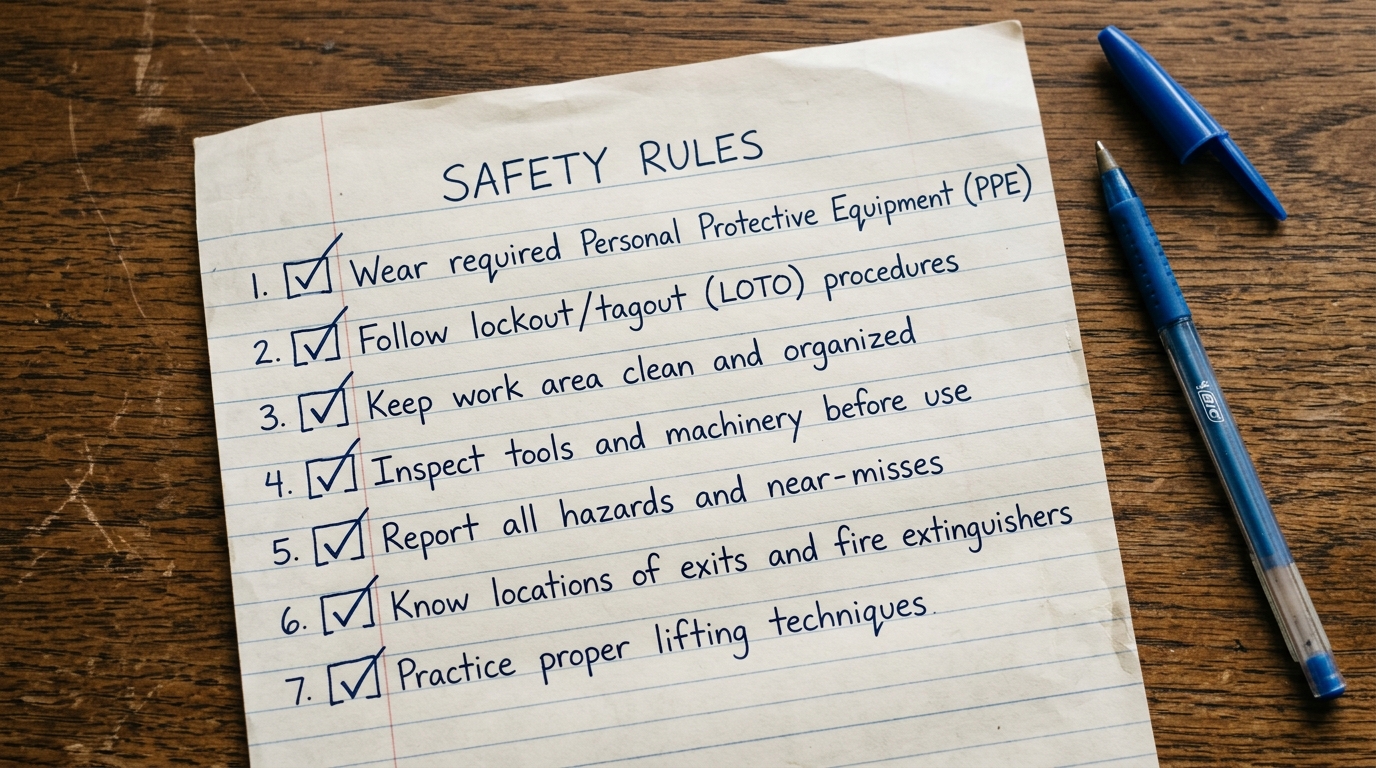
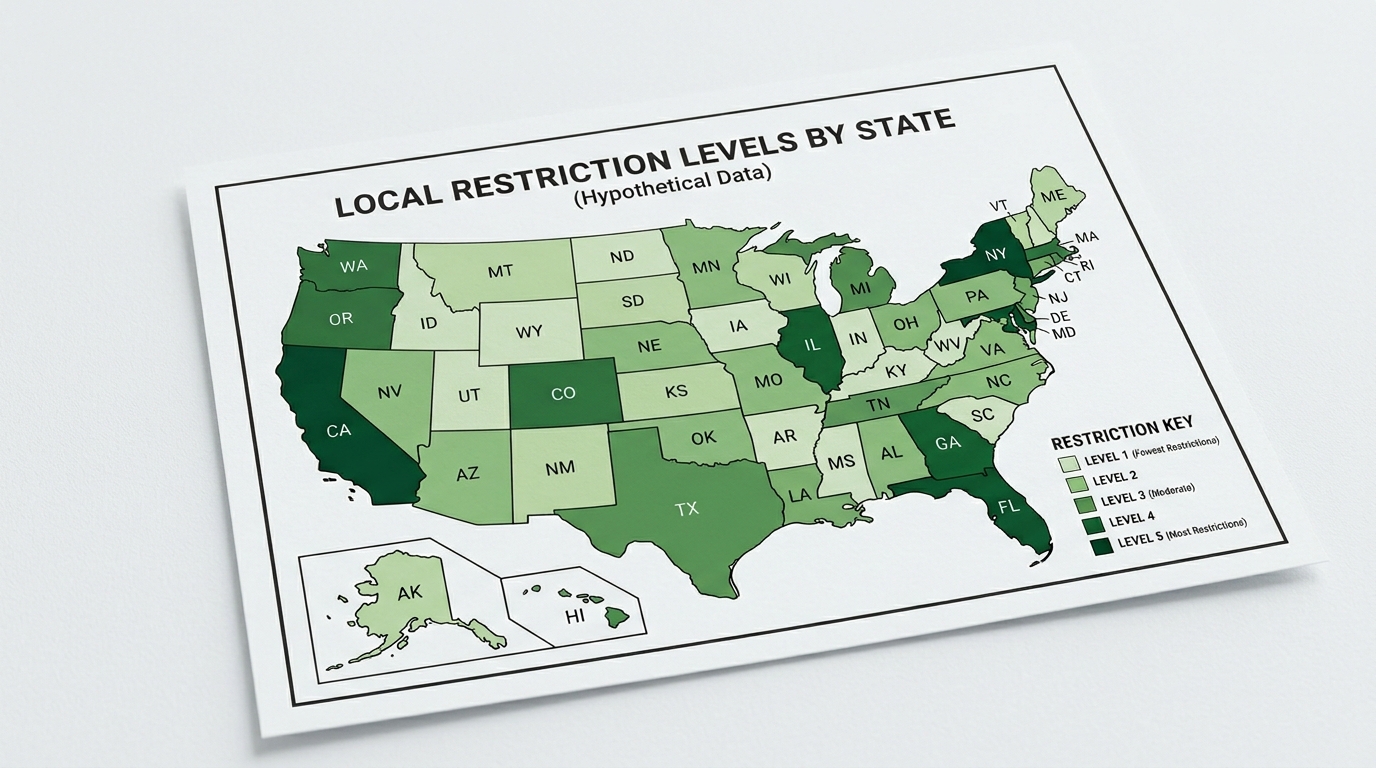
Here’s where it gets practical. Every state allows dumpster diving in principle, but local enforcement and ordinances vary wildly. The table below is a general snapshot for 2026 — not a complete list of every city rule.
| State | Diving Status | Main Legal Risk | Typical Penalty |
|---|---|---|---|
| California | Legal statewide | Trespass (Penal Code 602); LA & SF anti-scavenging rules on recyclables | $100–$1,000; up to 6 months jail for trespass |
| Texas | Legal statewide | Criminal trespass (Penal Code 30.05); Houston enforcement | Fines $500+; misdemeanor possible |
| Nevada | Legal statewide | Clark County / Las Vegas ordinance | Misdemeanor: up to $1,000 + 6 months jail |
| Ohio | Legal statewide | Criminal trespass (ORC 2911.21) | 4th-degree misdemeanor: up to 30 days + $250 |
| Washington | Legal statewide | Seattle anti-scavenging ordinance | Fines up to $1,000 |
| Illinois | Legal statewide | Chicago restrictions; trespass | Fines + possible misdemeanor |
| New York | Legal statewide | NYC health-department rules on bins | Citations / fines |
| Florida | Legal statewide | Trespass on private property | Misdemeanor trespass |
| New Jersey | Legal statewide | Many towns treat it as theft or trespass | Fines + misdemeanor |
| New Mexico | Legal statewide | Albuquerque & Santa Fe restrictions | Local fines |
| North Carolina | Legal statewide | Charlotte & Raleigh may treat as theft | Fines + possible theft charge |
| Missouri | Legal statewide | Kansas City & St. Louis trespass enforcement | Fines + misdemeanor |
| Minnesota | Legal statewide | St. Paul limits on unauthorized diving | Local fines |
| New Hampshire | Legal statewide | Manchester & Nashua health-code limits | Citations |
| Arizona | Legal statewide | Trespass; scattered local ordinances | Misdemeanor trespass |
| Georgia | Legal statewide | Trespass on private property | Misdemeanor |
A quick reality check from Texas shows how this plays out. In a 2022 Houston case, a diver was fined $500 — not for taking anything, but for climbing the fence behind a grocery store. The dumpster was unlocked. The fence was the problem.
The pattern is the same coast to coast: the diving is rarely the issue, but trespassing always is. Penalties across the country generally run from $50 to $1,000, and a few cities can tack on jail time for repeat offenders.
One honest disclaimer: this is not legal advice. City ordinances change often, so always verify the current dumpster diving rules for your exact location before you head out.
How to Start Dumpster Diving Legally: A Beginner’s Step-by-Step Guide
Ready to try it without the anxiety? Follow these steps and you’ll stay firmly inside the legal dumpster diving rules.
- Research your city and county ordinances first. A two-minute search for “[your city] scavenging ordinance” can save you a $500 mistake. This is non-negotiable.
- Scout in daylight before you commit. A promising dumpster behind a bookstore with no fence, no lock, and no signage is a green light. Darkness reads as suspicious to police and security.
- Stick to public-facing, unsecured dumpsters. If you can reach it without crossing a fence, gate, or posted boundary, you’re on much safer ground.
- Ask for permission when a property line is unclear. A friendly “Mind if I take a look?” to a store manager turns a gray area into a clear yes — and many say yes happily.
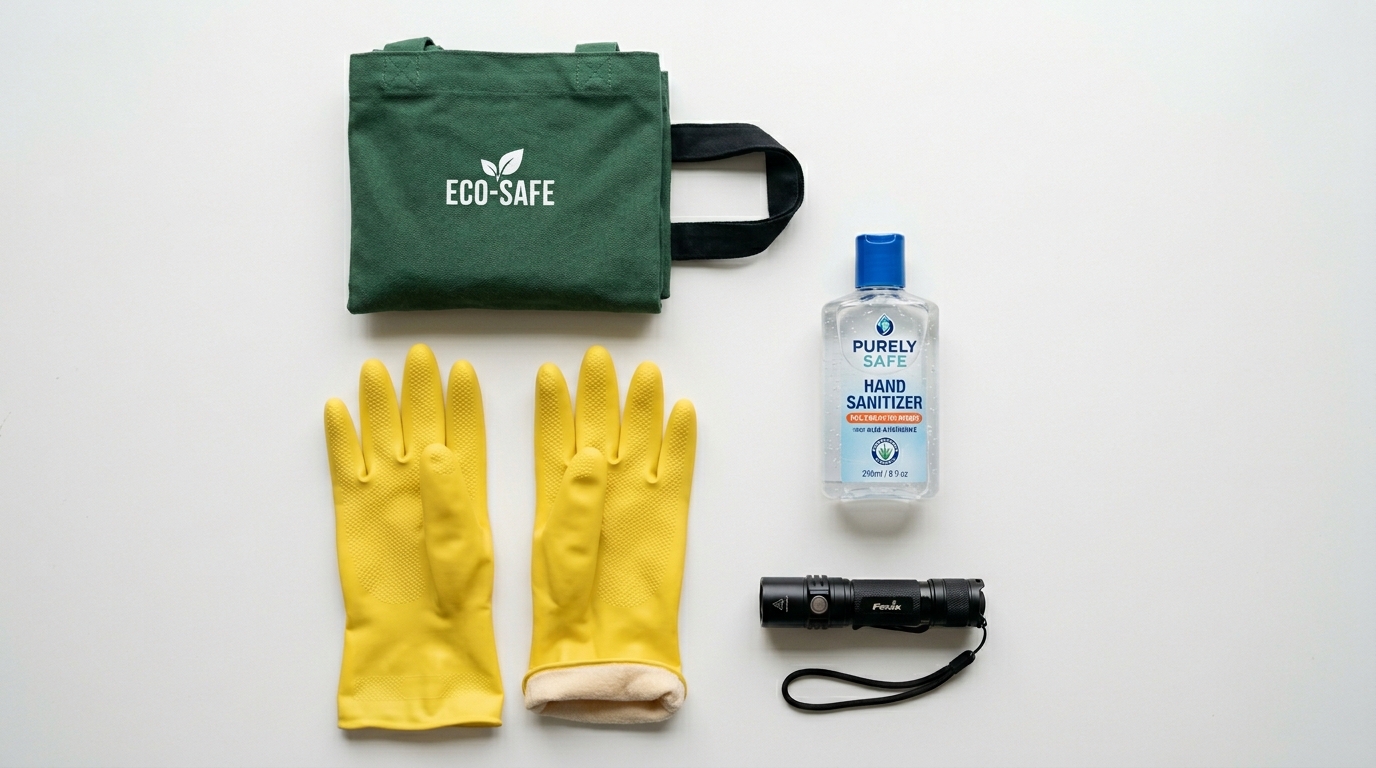
- Bring the right gear: gloves, a flashlight, hand sanitizer, and a sturdy bag. Safety protects you as much as the law does.
- Take only what’s discarded and leave the area cleaner than you found it. A tidy diver almost never gets reported.
- Walk away instantly if anyone objects. No item is worth a trespassing charge.
Common Dumpster Diving Mistakes to Avoid
Mistake 1 — Climbing fences or gates. This happens because the good stuff often sits in enclosed areas. A barrier is a hard stop, every time. That fence is the line between legal and criminal.
Mistake 2 — Ignoring “No Trespassing” signs. People assume signs are bluffs. They aren’t. Once you’ve been given notice, staying is criminal trespass — honor the sign and move on.
Mistake 3 — Diving at night on commercial lots. Darkness reads as suspicious to police and security. Daylight, public-facing dumpsters carry far less legal risk.
Mistake 4 — Taking recyclables in anti-scavenging cities. In places like Los Angeles, blue-bin material is treated as city property. Skip recycling bins unless you’ve confirmed your local rules allow it.
Mistake 5 — Leaving a mess behind. Scattered trash gets diving banned for everyone and is its own fineable offense. Always repack and tidy up before you leave.
Final Thoughts: Dive Smart, Stay Legal
Remember that bookshelf by the dumpster? Now you know the honest answer: grabbing it is almost certainly legal, as long as you didn’t hop a fence or ignore a sign to reach it.
The dumpster diving rules aren’t really about trash at all — they’re about respecting property lines, reading the signs, and knowing your city’s ordinances. Master those three things and your legal risk drops to almost nothing.
So start small. Pick one safe, public-facing dumpster this week, check your local rules first, and see what people throw away. You’ll be amazed at what’s out there.
Save this guide so the dumpster diving rules are handy next time you spot something too good to waste. And if you want to stretch your dollars even further, our no spend challenge guide pairs well with a low-waste lifestyle.
Frequently Asked Questions
Q: Is dumpster diving legal in the USA in 2026?
Yes — dumpster diving is legal in all 50 states thanks to the 1988 California v. Greenwood Supreme Court ruling, which made discarded trash public domain. The catch is that local ordinances and trespassing laws still apply, so the dumpster diving rules in your specific city decide whether a given dive is allowed.
Q: Can I get fined for dumpster diving?
You can, but usually not for the diving itself. Fines almost always come from trespassing, ignoring signs, taking protected recyclables, or making a mess — penalties that range from about $50 to $1,000. Stay on public property and follow posted notices and you’ll rarely face one.
Q: What’s the biggest legal risk when dumpster diving?
Trespassing, hands down. If a dumpster is behind a fence, locked gate, or “No Trespassing” sign, accessing it is a crime in every state regardless of whether the dumpster is locked. Following the basic dumpster diving rules around property boundaries removes nearly all of that risk.